

Designing Emotion Through Surface and Light
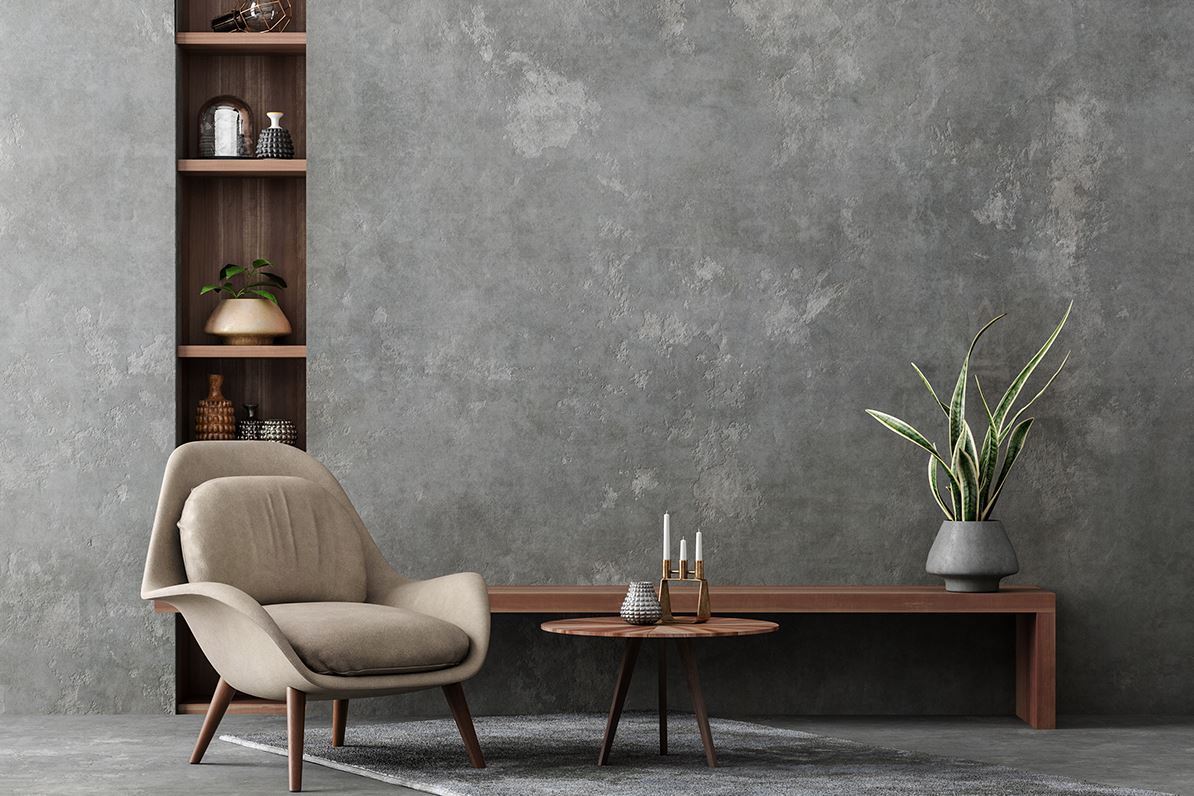
The texture, depth, and craftsmanship redefine the modern wall as both surface and story
The Evolution of the Wall Beyond Color
In the early years of interior design, walls were treated as boundaries, functional dividers between spaces that carried paint but little expression. As design matured, they began to transform into expressive elements, capable of emotion and narrative. The rise of textured wall finishes marked a shift from uniformity toward individuality, where material became a medium for storytelling. A textured wall engages more than sight; it involves touch, shadow, and the perception of movement across light. It makes stillness feel alive, transforming a flat surface into a conversation between hand, eye, and architecture. Designers today understand that texture communicates mood more deeply than color alone ever could. Smooth walls suggest serenity, but rough or irregular surfaces evoke authenticity, grounding spaces in the tactile comfort of imperfection. The evolution of texture has followed a larger cultural trend, the desire for homes that feel handcrafted rather than manufactured, personal rather than perfect.
Texture also connects interior design with nature. In a time of digital saturation and synthetic surfaces, the human mind seeks grounding in materials that recall the earth. Clay, lime plaster, stone dust, and raw pigments speak a universal language that transcends style. Whether applied in a minimalist home or a classical setting, texture softens the edges of technology, reminding us that beauty often lies in the unrefined. Through textured walls, modern interiors reclaim a sense of authenticity, making the ordinary extraordinary once again.
Plaster, Lime, and Clay as Living Surfaces
The materials used in textured finishes are more than decorative, they are alive with behavior, absorption, and variation. Venetian plaster, with its layered translucency, has long symbolized luxury, yet its beauty lies not in gloss but in depth. Applied by hand with a trowel, it develops an organic pattern of highs and lows that catch light in subtle, painterly ways. Lime plaster, similarly, has made a resurgence among designers seeking sustainability and timelessness. Unlike synthetic paints, lime breathes, absorbing moisture and releasing it naturally. Its mineral base gives it a soft sheen and an inherent resistance to mold, making it both ecological and durable. Clay plaster, gentler in tone and texture, offers a warmth unmatched by industrial materials. Its natural pigments range from terracotta to ochre, creating finishes that shift with humidity and time. Each of these surfaces embodies the philosophy of wabi-sabi, the acceptance of imperfection and transience as beauty.
Modern artisans have revived these ancient materials not as nostalgic references but as contemporary tools. They layer, mix, and polish to create finishes that feel at once ancient and futuristic. Some combine fine marble dust with metallic wax for iridescence, while others incorporate fibers for structural texture. The result is not a single style but a living continuum of experimentation. When the wall becomes a medium of touch and depth, it changes the very perception of space, transforming light, softening sound, and even altering emotion.
Exploring Texture Through Modern Techniques
Texture today is defined as much by innovation as by tradition. The rise of composite materials and new application methods allows walls to evolve beyond plaster and paint. Microcement, a seamless and durable coating, gives modern interiors an industrial yet refined character. Its matte surface and subtle imperfections mirror the honesty of raw concrete without the weight. Trowel techniques, once confined to artisans, have been reinterpreted through contemporary tools and pigments, creating walls that shimmer with quiet complexity. Metallic finishes, though often misused in the past, are now executed with restraint, producing soft reflections that add warmth without ostentation. Sand-infused paints and matte stucco blends capture natural variation while maintaining minimalist coherence.
For those drawn to subtlety, the most effective textures are often barely perceptible. A fine brushed finish, a vertical striation, or a tone-on-tone relief can shift a wall from flat to dimensional without calling attention to itself. The best designs balance complexity with calm, ensuring that texture enhances rather than dominates. Light plays a crucial role here: raking sunlight across a textured wall transforms the surface into a dynamic landscape of shadow and glow. In the evening, artificial lighting reveals another personality altogether. Through modern technique, texture becomes more than finish, it becomes an atmosphere that changes with every hour and angle.
Color, Light, and the Illusion of Depth
Color interacts with texture in profound ways. A matte surface absorbs pigment differently from a smooth one, creating tonal variation that cannot be achieved with flat paint. Earth tones often enhance texture because they highlight shadow and depth rather than compete with them. Soft grays, muted greens, and chalky whites allow the play of light to reveal the tactile quality of the surface. When a textured wall is illuminated, the result is not mere brightness but sculptural form. Designers use this interplay to manipulate perception, making small rooms feel expansive or cozy depending on reflection and contrast.
Lighting design must always accompany textured finishes. Indirect lighting enhances dimension by grazing across the surface, while diffuse overhead lighting can flatten it. The positioning of windows, too, affects how texture lives through the day. Morning light may emphasize brushstrokes, while evening shadows soften them. This relationship between color, light, and depth transforms a static wall into a dynamic artwork. The wall becomes temporal, changing character as time passes. In this way, texture adds an emotional cadence to interiors, subtle, rhythmic, and alive.
Organic Inspiration and the Return to Earth
Nature remains the ultimate teacher of texture. From weathered stone to driftwood, natural surfaces reveal complexity without pretense. Contemporary interiors increasingly draw from this organic vocabulary, favoring finishes that evoke natural erosion, sediment layers, or mineral deposits. These finishes satisfy not only aesthetic desires but also psychological ones. Studies in environmental psychology suggest that humans respond positively to tactile complexity because it echoes the sensory richness of natural environments. Smooth synthetic surfaces, while visually clean, often lack emotional warmth. By introducing natural irregularity, designers reestablish that missing connection between human and habitat.
Some artisans experiment with crushed shells, ground limestone, or volcanic ash to achieve subtle tactile effects. Others use plant fibers or even pigments made from local soil to give walls a sense of place. This approach aligns with a growing movement toward contextual design, spaces that reflect their geography and culture rather than adopt universal aesthetics. The tactile becomes cultural, carrying the memory of landscape into domestic architecture. A textured wall thus becomes more than ornament; it becomes evidence of care, heritage, and belonging.
Minimalism and the Quiet Power of Restraint
Minimalism, once associated with stark smoothness, has evolved to include texture as an essential counterbalance. In refined interiors, texture acts as the soul within simplicity. A single wall finished in fine limewash or hand-troweled plaster can define a room with elegance that requires no decoration. The subtle irregularity of handmade surfaces gives life to minimal compositions, ensuring that calm does not turn sterile. Designers often describe this as “visual silence”, a state where beauty is felt rather than announced. The success of textured minimalism lies in proportion, light, and material honesty.
Architects now use textured finishes to replace ornamentation, proving that restraint can be expressive. A matte stucco finish in an entryway, for example, can evoke timelessness, while a tactile clay wall in a bedroom creates serenity. The key lies in moderation. Overuse of texture can feel restless, but when applied with intention, it brings authenticity. In minimalist design, the hand of the maker remains visible, a quiet signature that distinguishes crafted from manufactured. This is where modern design finds its humanity, through imperfection, warmth, and presence.
Technology, Innovation, and the Future of Surfaces
The future of wall texture lies at the intersection of technology and tradition. Digital fabrication tools now allow designers to translate patterns, gradients, and even topography into three-dimensional wall forms. CNC-cut panels, 3D printing, and parametric modeling expand the possibilities of relief design. Yet the most exciting innovations remain those that respect craftsmanship. Hybrid approaches, where digital design meets manual application, create surfaces that feel both precise and human. Artificial intelligence may assist in designing organic patterns, but it is the artisan’s hand that gives them life through imperfection and variation.
Smart materials further redefine what walls can do. Responsive coatings adjust texture based on humidity, while new composite materials mimic natural plaster with greater durability. Sustainable innovation also plays a role: recycled minerals, plant-based binders, and carbon-neutral production processes demonstrate that beauty and responsibility can coexist. The modern wall may soon become interactive, capable of controlling acoustics, reflecting light dynamically, or purifying air. Texture, in this context, becomes not just visual but functional, a living interface between architecture and environment.
Integrating Texture Into the Home Environment
Bringing textured finishes into a home requires sensitivity to proportion, style, and intent. In open-plan layouts, texture helps define zones without physical barriers. A rough stone finish behind a fireplace or a soft limewashed dining wall can anchor visual identity while maintaining cohesion. Texture also interacts beautifully with other materials. Against polished concrete floors or glass partitions, it introduces balance. Designers often treat texture as contrast, the tactile counterpart to sleek surfaces. Even small interventions, such as a single accent wall or niche, can elevate the perception of craftsmanship throughout a home.
Maintenance is another consideration. Unlike flat paint, textured finishes evolve over time, developing patina that enhances rather than diminishes beauty. Proper sealing and gentle cleaning ensure longevity without sacrificing character. The goal is not permanence but graceful aging, a design that grows with the home. Ultimately, the success of textured walls lies in harmony. When texture aligns with architecture, furniture, and light, it ceases to be decoration and becomes atmosphere. It transforms rooms into living environments that breathe with subtle rhythm and individuality.
The Surface as Memory
Every textured wall holds the trace of touch. It records gestures of creation, the pressure of tools, the rhythm of hands at work. In this way, it becomes a vessel of memory, a tangible record of the dialogue between maker and material. Unlike synthetic finishes that conceal their origin, textured walls celebrate it. They remind us that design is not only visual but emotional, grounded in the relationship between human craft and natural form. When we run our fingers along a wall of clay or lime, we are not merely feeling surface; we are feeling time, patience, and the quiet persistence of artistry. In a world increasingly defined by speed and replication, such surfaces restore intimacy and presence. The wall, once overlooked, becomes a living archive of texture and meaning, a testament to the enduring beauty of what is made by hand and illuminated by light.